Assistive Technology Assessment Melbourne: A Complete NDIS Guide
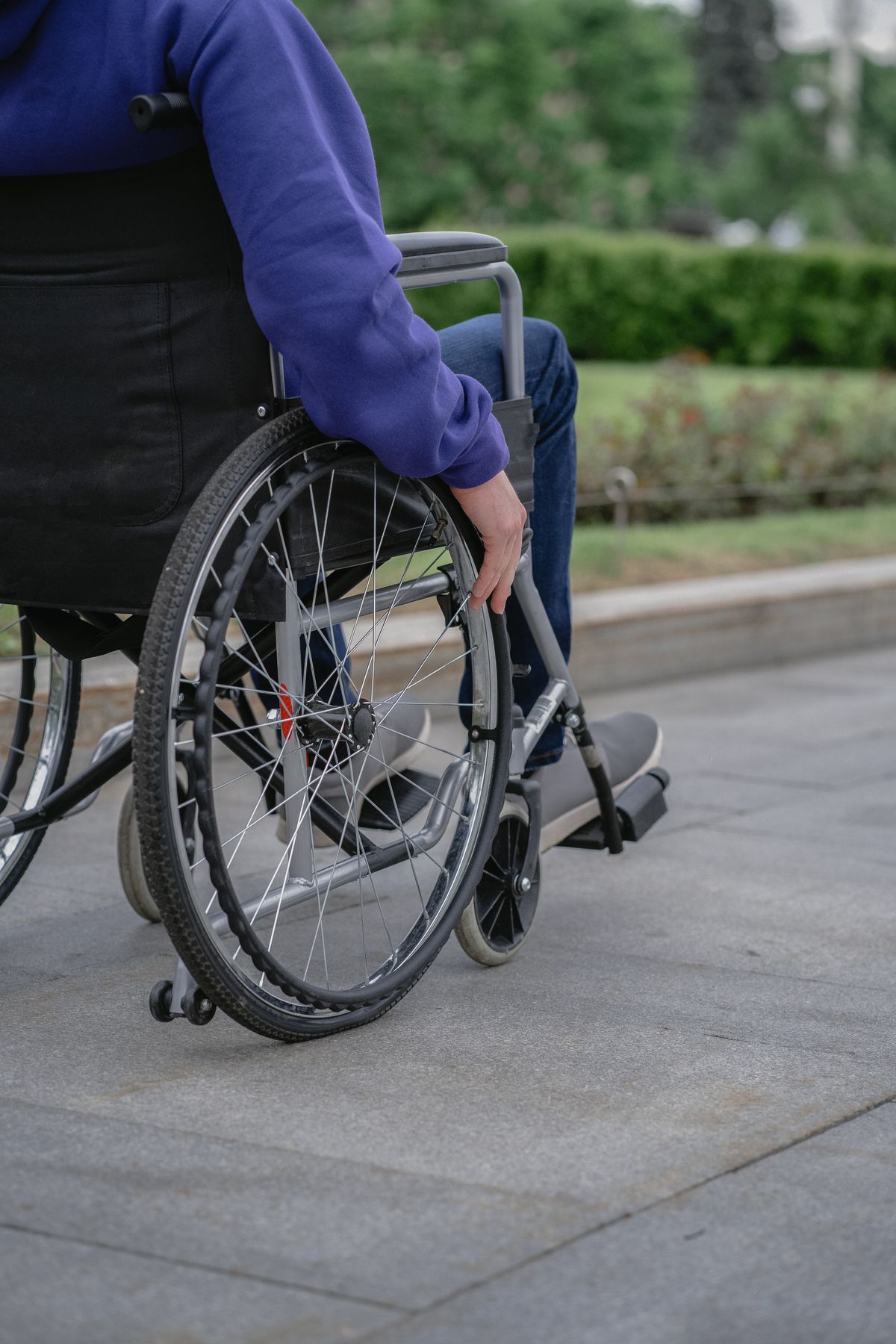
The right assistive technology (AT) can make everyday activities safer, easier and more accessible. For NDIS participants, choosing equipment should begin with understanding the person's functional needs rather than selecting a product simply because it looks useful.
At Walnut Occupational Therapy, occupational therapists can assess how a person functions and help identify practical assistive technology options that match their goals, environment and abilities.
What is assistive technology?
Assistive technology includes equipment, products and devices that can help a person perform activities that are difficult because of disability.
Examples of assistive technology
- Mobility aids
- Shower chairs
- Walking equipment
- Pressure care equipment
- Communication devices
- Specialised seating
- Daily living equipment
- Kitchen and meal preparation aids
- Bathroom safety equipment
- Environmental control technology
Why an OT assessment is important
Assistive technology needs to match the person, activity and environment. An occupational therapist can consider the person's physical abilities, cognitive skills, sensory needs, safety, home layout, routines and goals.
The assistive technology assessment process
1. Understand the person's goals
What does the person want to do more safely or independently?
2. Identify the functional problem
The therapist identifies barriers affecting the activity.
3. Explore possible solutions
Potential equipment and environmental options are considered.
4. Trial where appropriate
Depending on the equipment, trials can help determine whether a solution is practical and suitable.
5. Document recommendations
The therapist documents the functional rationale behind the recommendation.
Common mistakes when choosing assistive technology
- Choosing equipment without assessing the person's functional needs
- Ignoring the home environment
- Buying equipment that is difficult to use
- Failing to consider safety
- Choosing equipment that does not support the person's actual goals
Assistive technology and independence
Good assistive technology can help a person complete tasks with less assistance, improve safety, conserve energy and participate more independently.
Frequently Asked Questions
Can an occupational therapist recommend NDIS assistive technology?
Occupational therapists may assess functional needs and recommend suitable assistive technology where clinically appropriate.
Can I buy assistive technology without an OT assessment?
The appropriate assessment process depends on the type and complexity of the equipment and the participant's circumstances.
Does NDIS fund assistive technology?
Some assistive technology may be funded where it meets the relevant NDIS requirements. Participants should check current NDIS guidance and their plan arrangements.